

When most people think about Amman, they think about movement. The traffic climbing up the hills. The constant sound of car horns. The rush from one obligation to the next. The feeling that everyone is always heading somewhere.
Amman is a city that rarely sits still.
But hidden in Jabal Al Weibdeh, there is a place that seems to move at a different pace.
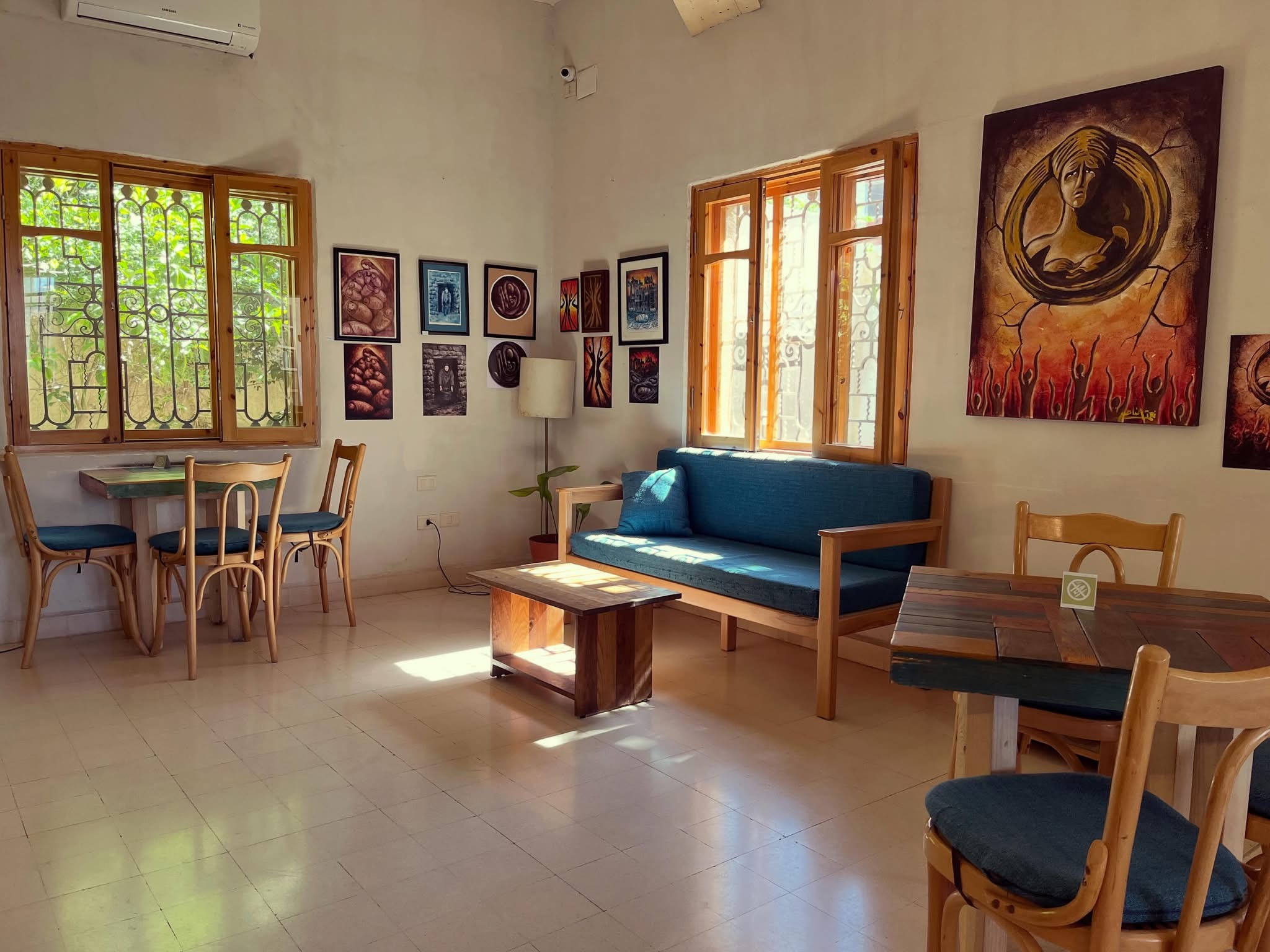
Fann wa Chai looks, at first glance, like a café. A quiet house-turned-cultural space with tea, tables, books, art, and a garden shaded by trees. But the longer I stayed there, the more I realized it was something else entirely.
It was not simply a café that happened to display art.
It was a community.
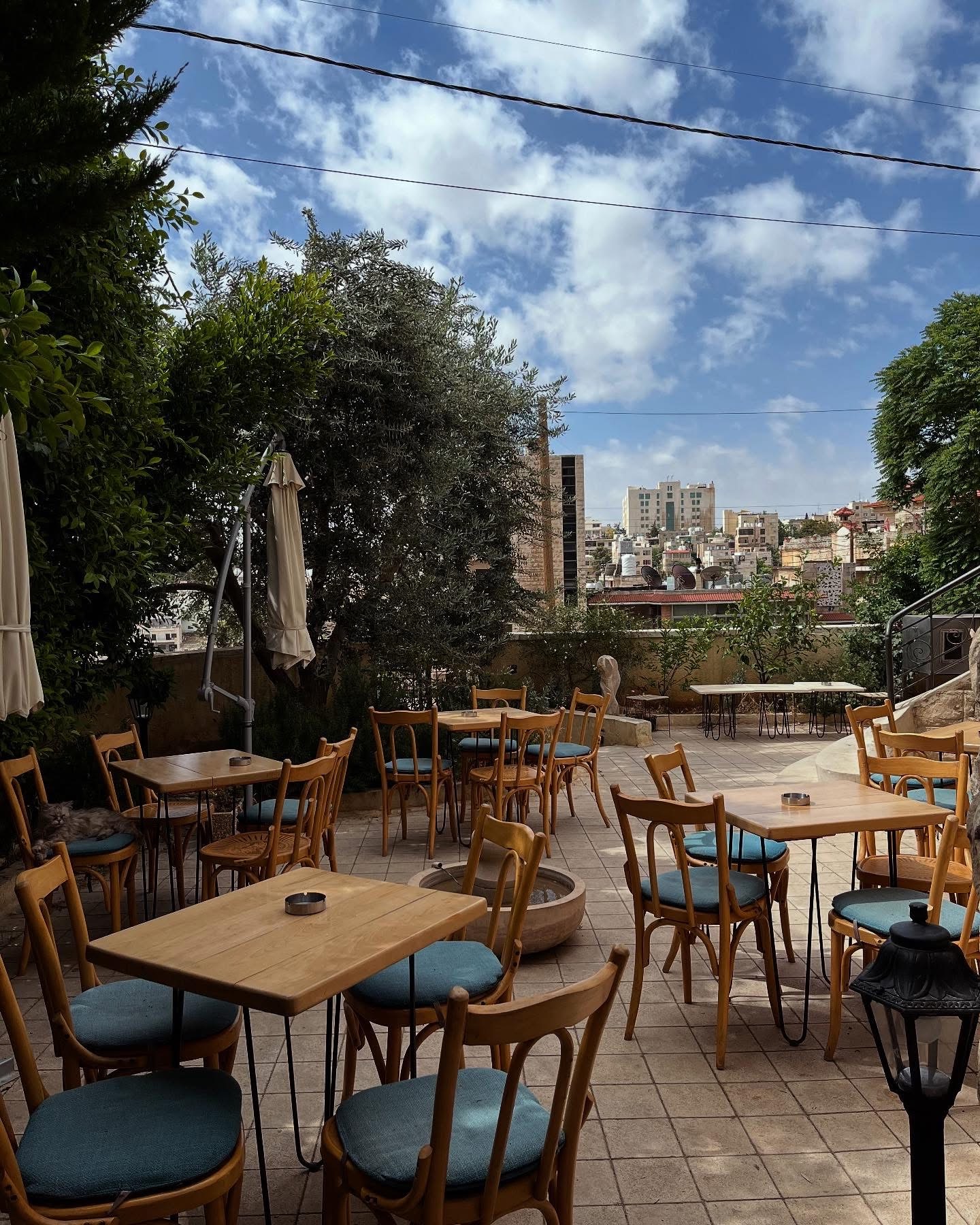
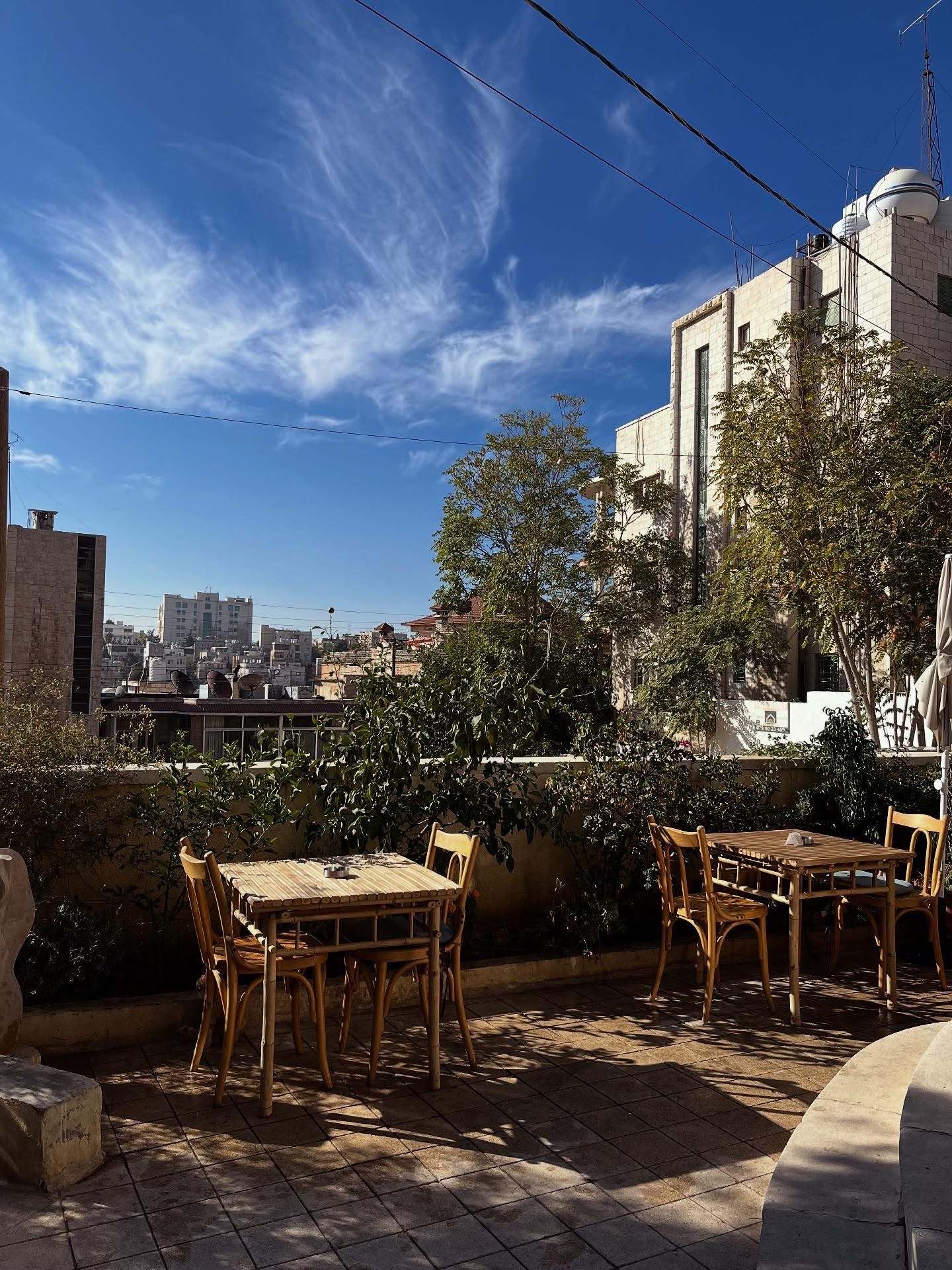
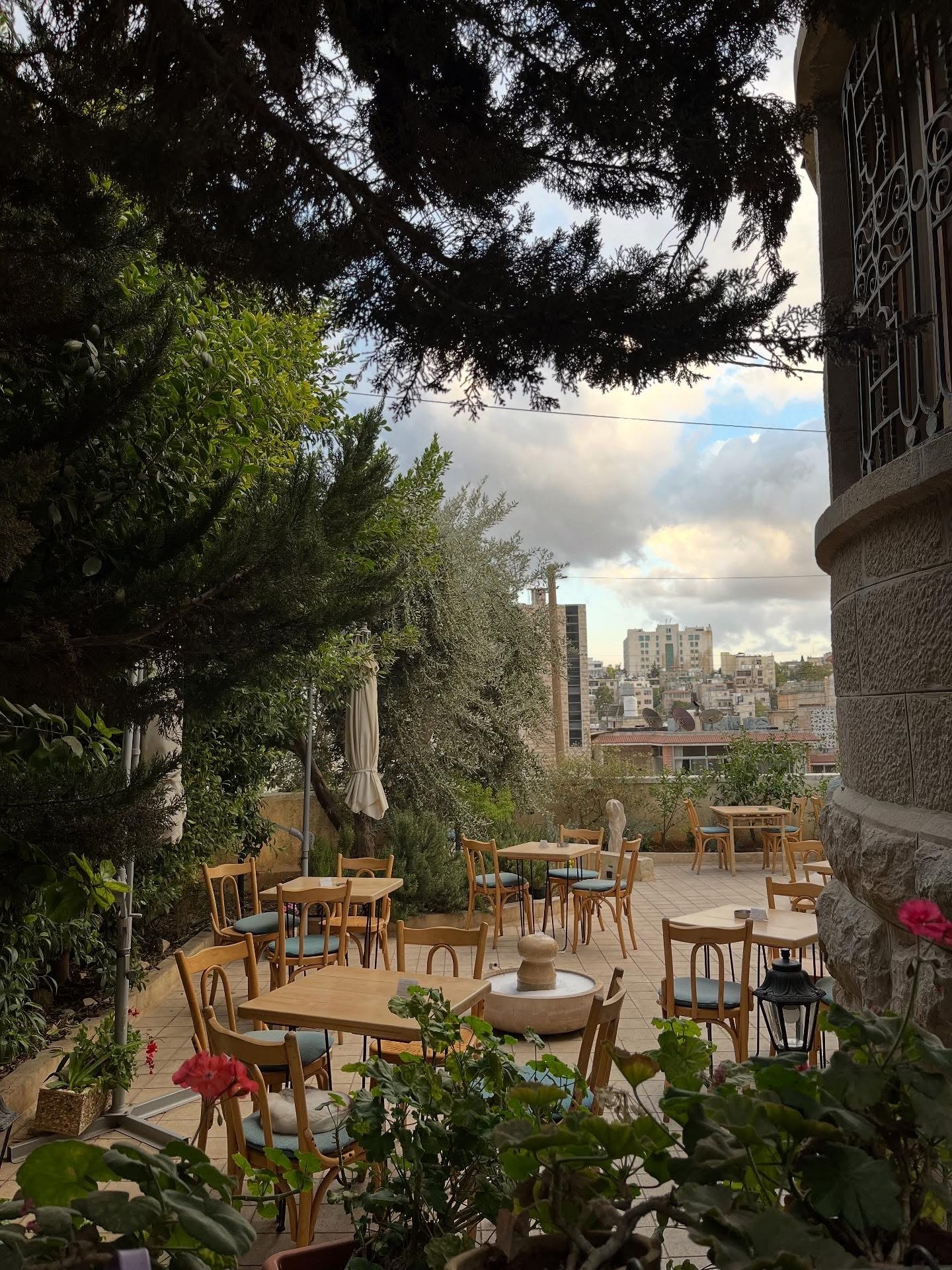
The house itself felt as though it had grown naturally into the neighborhood. Trees stretched above the outdoor seating area, casting soft shadows across the stone steps. Inside, paintings lined the walls, photographs told silent stories, and shelves carried the work of artists, writers, and craftspeople from across Jordan.
Nothing felt manufactured. Nothing felt designed only to be photographed and forgotten.
It felt lived in.
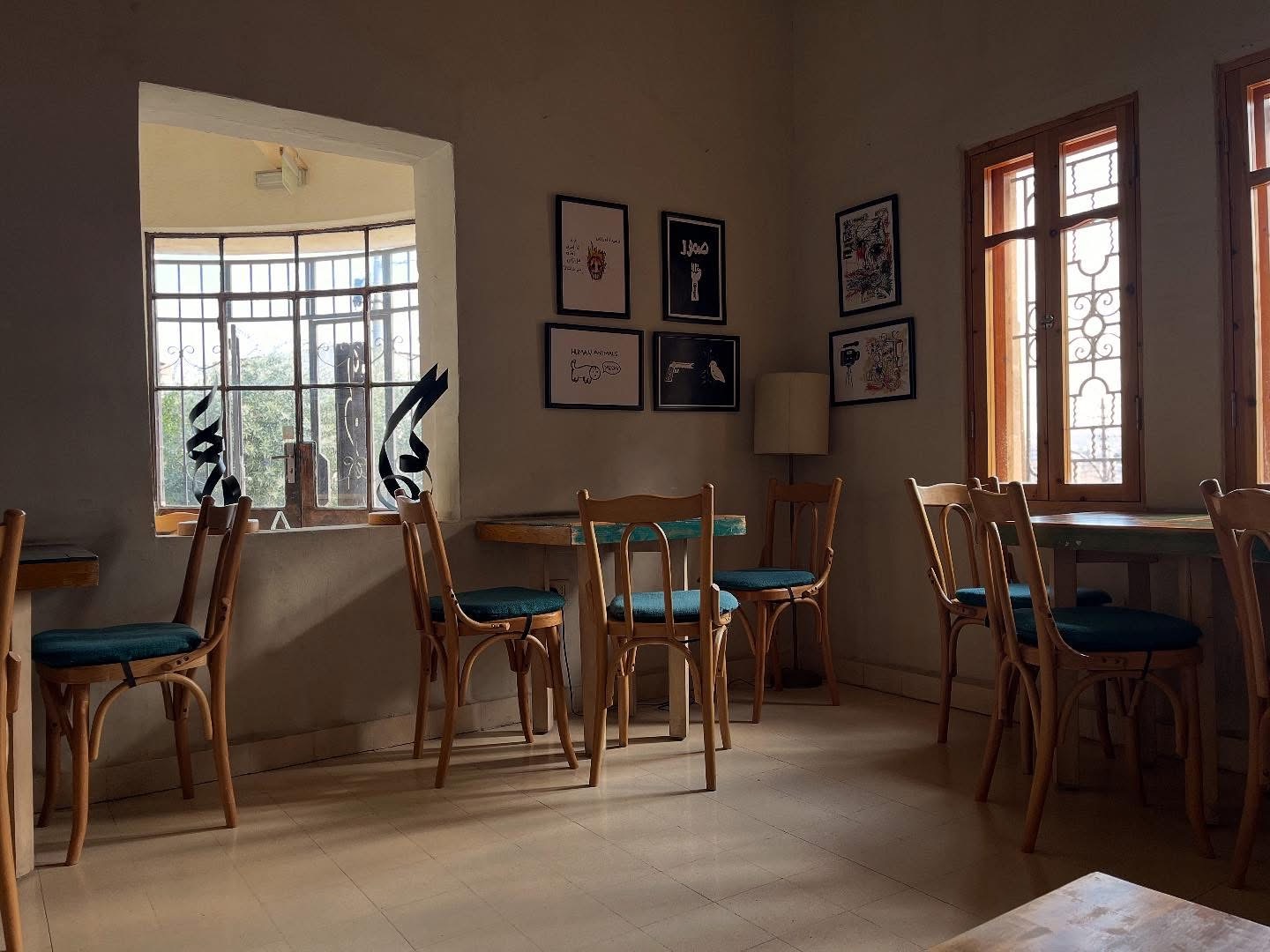
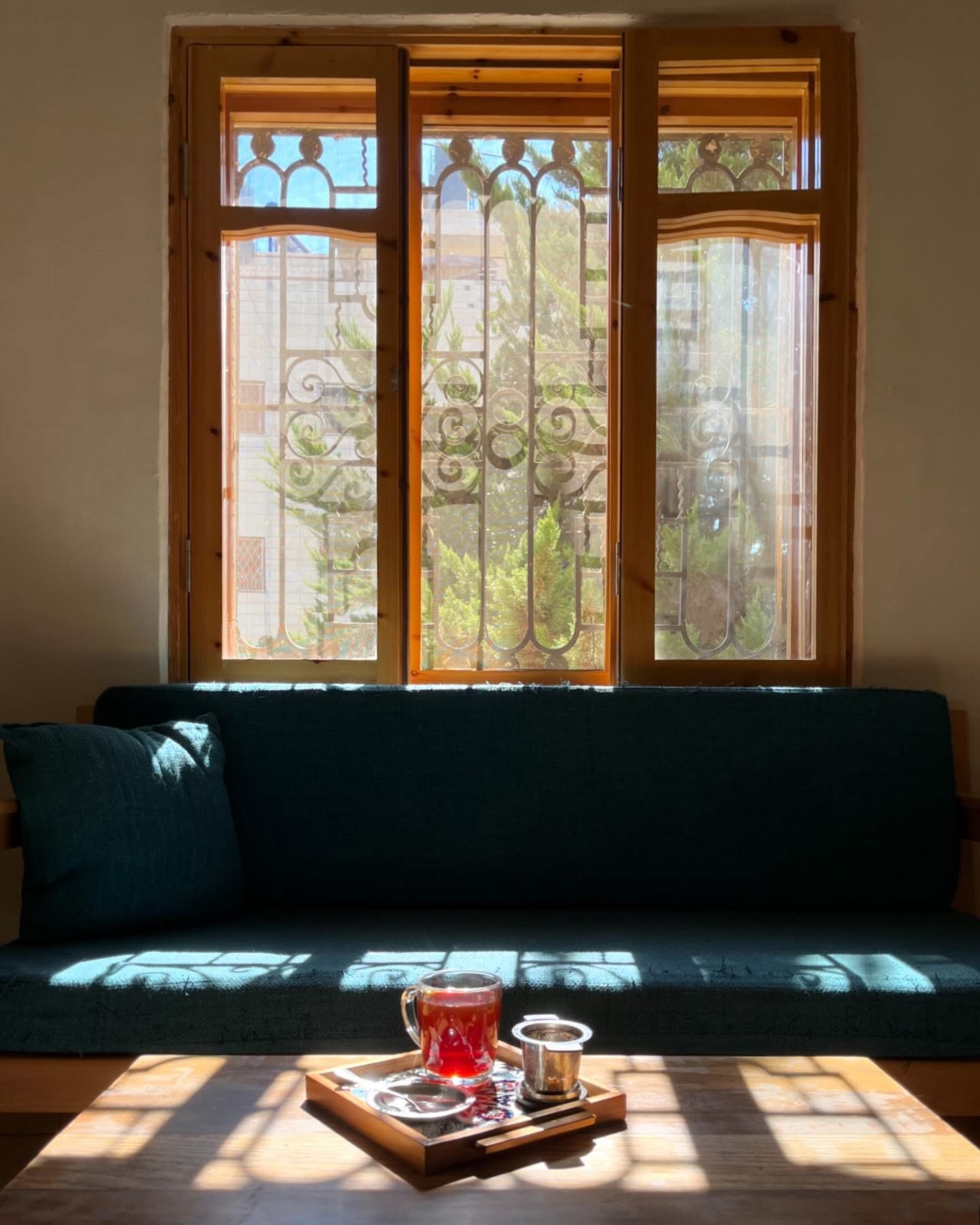
Around me were artists, readers, students, photographers, and people who seemed to have wandered in simply searching for a quiet corner of the city. Some came for tea. Some came for art. Some came for books. Others seemed to come because they knew they would find conversation.
No one appeared to be in a hurry.
In a world increasingly designed to keep us distracted, there was something almost radical about that. People were simply present. Talking. Listening. Sharing stories.
For a moment, it felt as though I had stepped into a different era. An era before every spare second was filled with notifications. An era when gathering itself was considered worthwhile.
But to understand Fann wa Chai, I think you first have to understand the woman behind it.
The woman behind it
Before I ever visited Fann wa Chai, I knew Linda Al-Khoury's work. Through photographs. Through exhibitions. Through the quiet influence she has had on Jordan's artistic community for years.
Linda is a photographer, educator, and cultural founder. She established Darat Al Tasweer and later founded Image Festival Amman, creating platforms for photographers and visual storytellers to share their work. But even that description feels too formal, too clean, too small for what she actually does.
Because Linda does not only take photographs.
She teaches people how to see.
I understood that years before I ever sat beneath the trees at Fann wa Chai.
Learning to see in Wadi Rum
In 2015, I joined a group of writers and photographers on a journey to Wadi Rum. Among us was Linda. At the time, I knew very little about photography. Like many people, I thought photography was mostly about cameras, settings, lenses, and knowing which button to press without embarrassing yourself in public.
Linda taught me that photography was something much deeper.
Before sunrise, she led us up the mountains overlooking the desert. The climb was difficult. The air was cold. The desert was silent. The sky still carried the last traces of night.
And as we waited for the first light to appear, she spoke about photography. Not cameras. Not equipment. Seeing.
She showed me how to look beyond what was directly in front of me. How to notice light moving across stone. How shadows could transform an ordinary scene. How beauty is rarely found only in the obvious places. It exists in the details most people walk past.
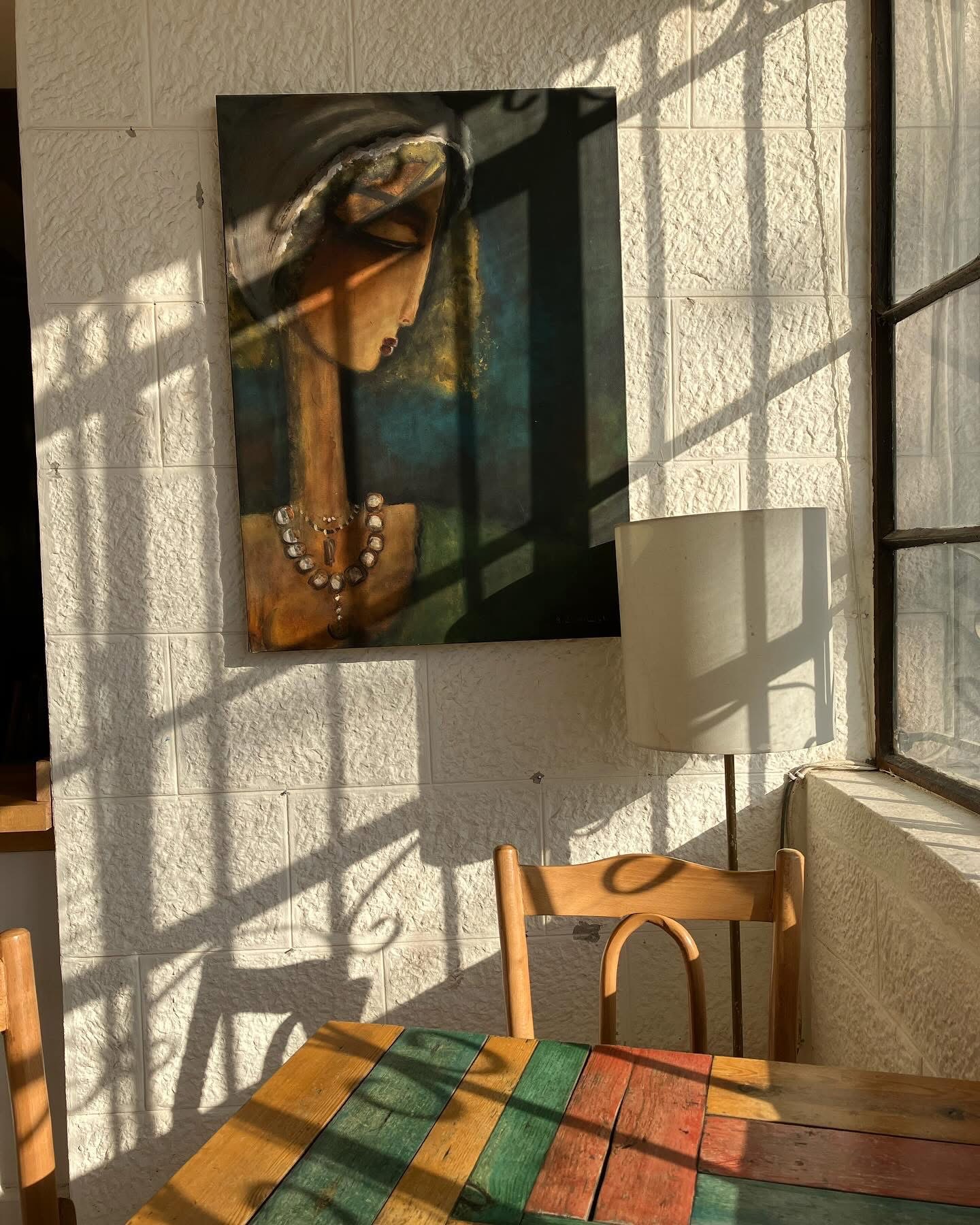
The way light falls across a rock. The movement of a shadow. A fleeting expression. A quiet moment before it disappears.
Then slowly, the sun began to rise. As the landscape changed color before our eyes, Linda raised her camera, not simply to capture the view, but to witness it.
That morning, I understood photography differently. It was not just a way of taking pictures. It was a way of paying attention.
Most moments disappear. A photograph gives them another life.
An invitation to notice
Years later, when I sat in Fann wa Chai, I recognized that same philosophy everywhere around me.
I saw it in the carefully curated exhibitions hanging on the walls. I saw it in the handmade crafts created by local artists. I saw it in the shelves of books waiting to be discovered. I saw it in the conversations happening between complete strangers.
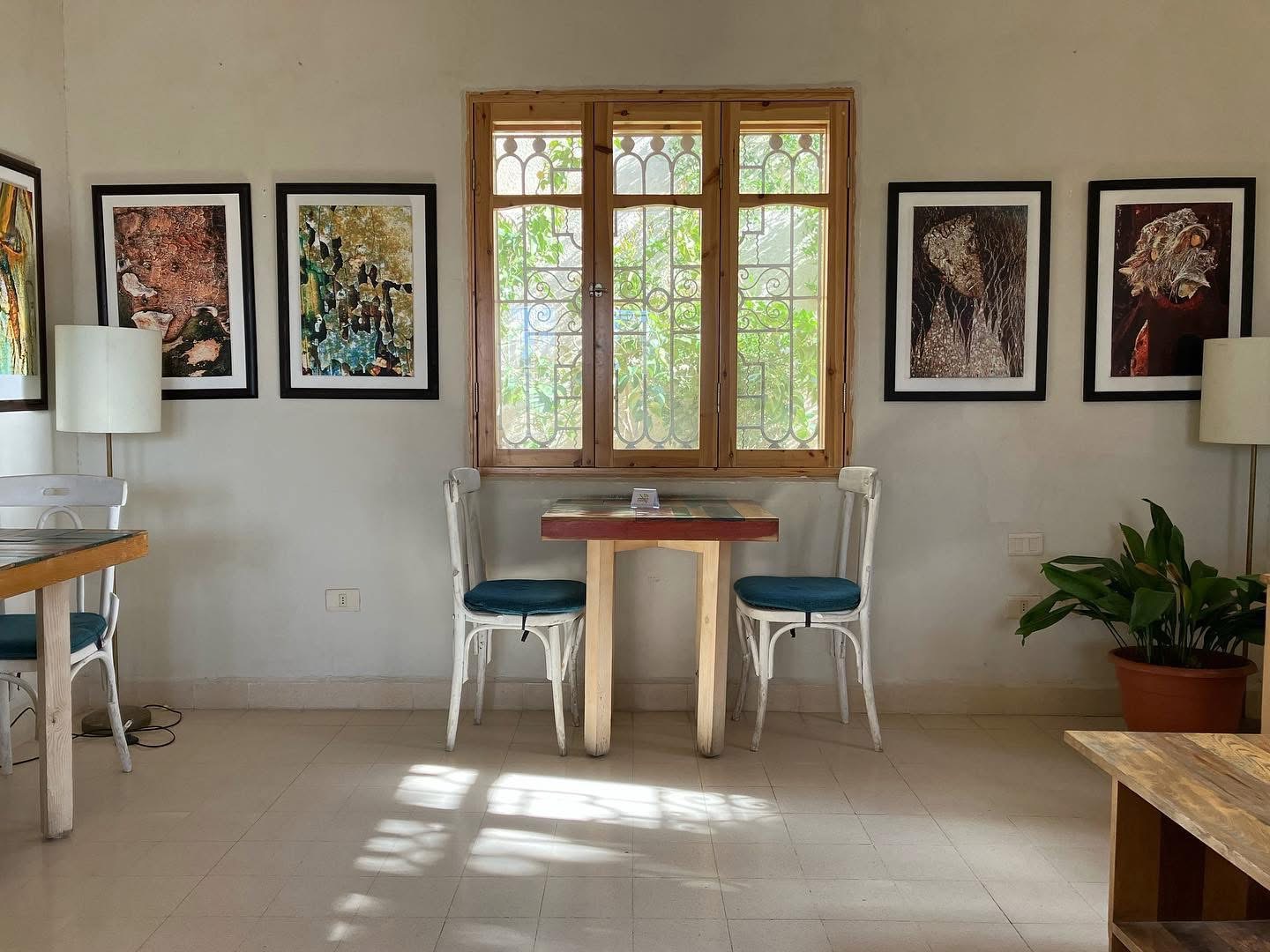
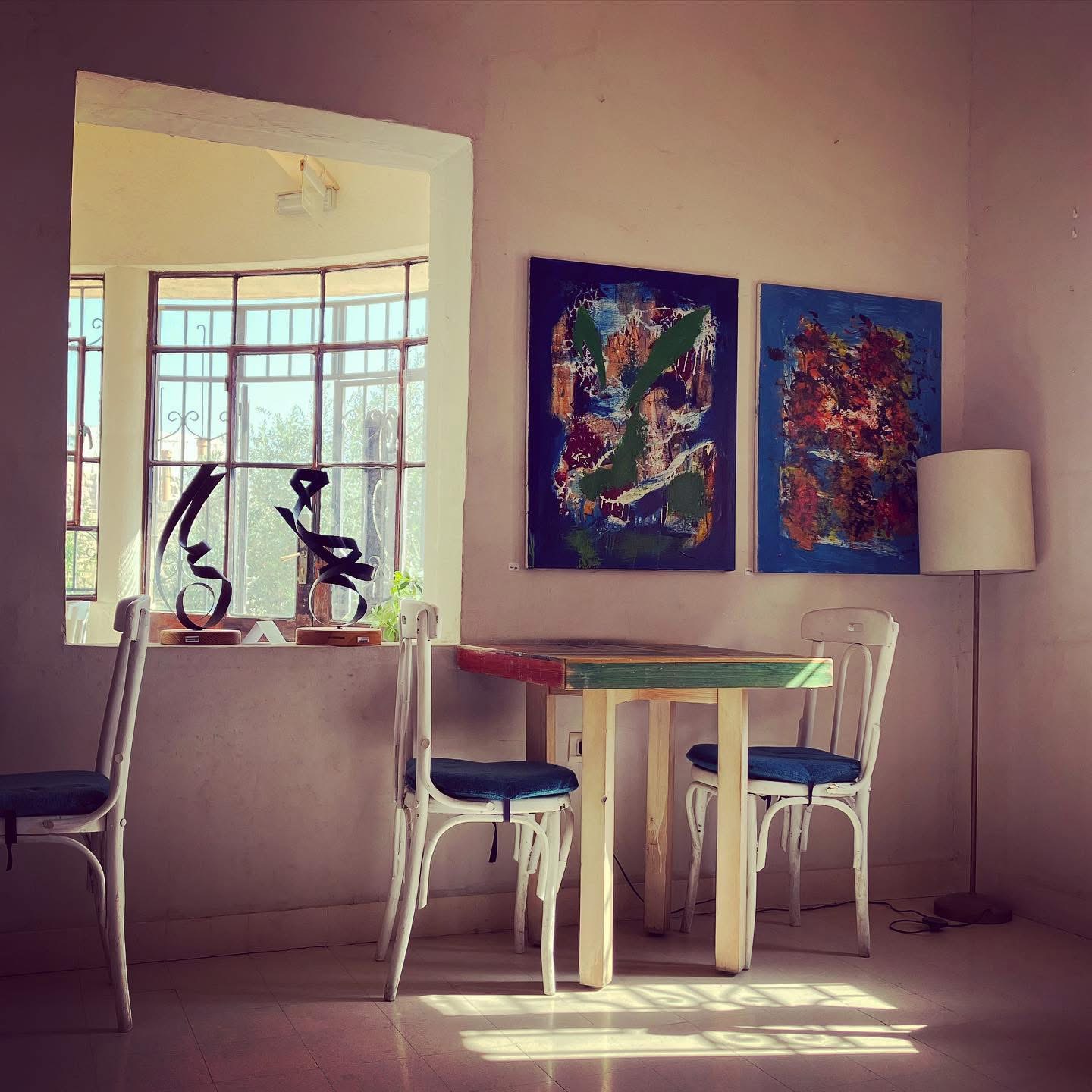
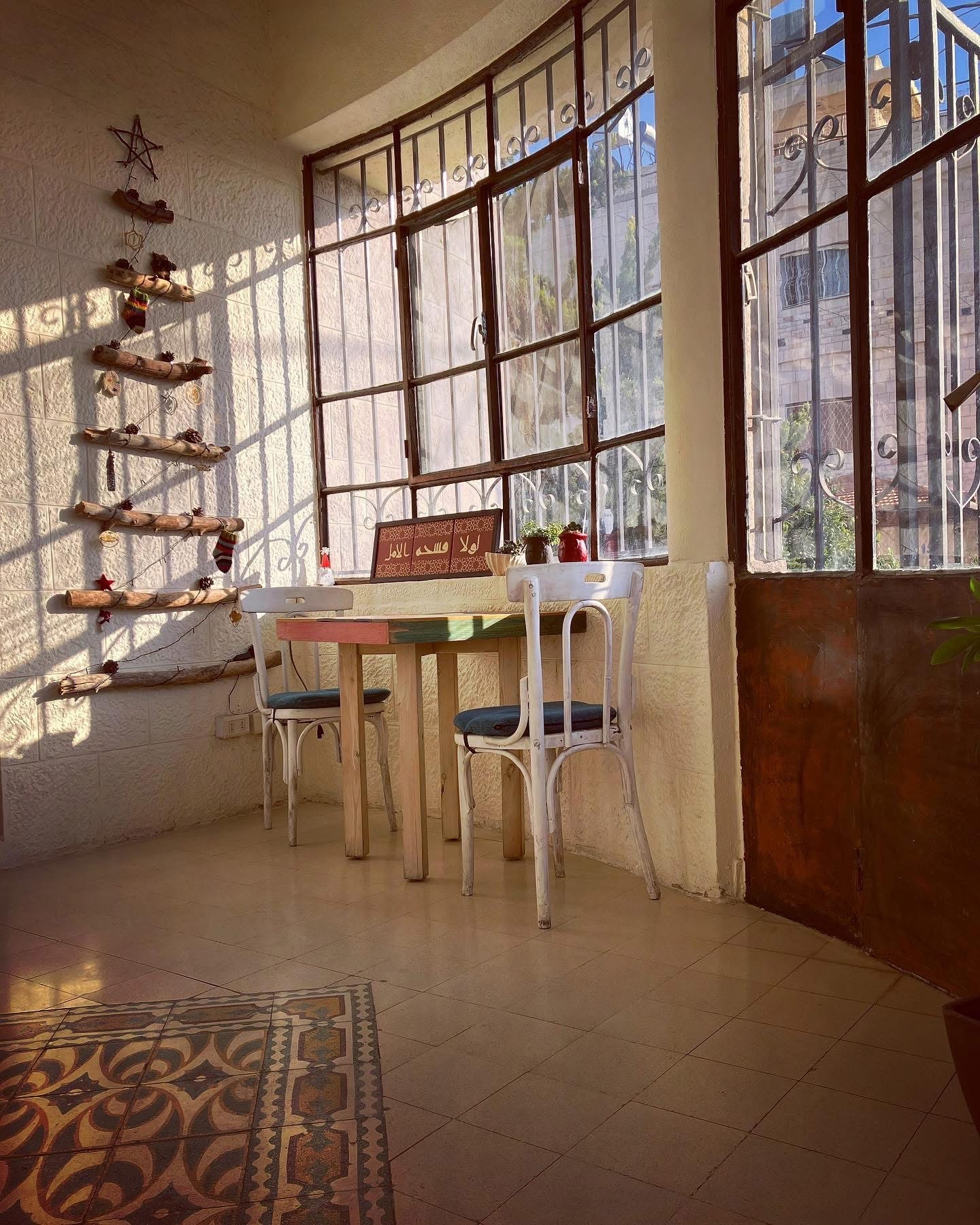
Most of all, I saw it in the atmosphere itself. The focus was not on trends or appearances, but on people themselves. Their stories. Their creativity. Their memories.
That is what makes Fann wa Chai feel different.
It is not trying to impress you.
It is inviting you to notice.
As the afternoon stretched toward evening, the sunlight softened across the courtyard. The noise of the city seemed to retreat behind the trees. People continued arriving. Others left. The space kept changing while somehow remaining exactly the same.
The art mattered. The exhibitions mattered. The books and events mattered. But none of those were the real reason people returned.
People returned because they felt seen.
In a city that is constantly growing and changing, places like this offer something increasingly rare: a sense of belonging without expectation.
You do not need to be an artist. You do not need to be a writer. You do not need to know anyone.
You simply need to arrive.
And perhaps that is why Fann wa Chai has become more than a café, more than a gallery, and more than a cultural space. It has become a physical expression of the person who created it. A place built by someone who has spent her life teaching others how to see.
Years ago, in Wadi Rum, Linda taught me how to preserve a moment through a camera lens. Today, she has done something even more remarkable. She has created a place where those moments continue to happen. A place where art, stories, tea, books, strangers, and memory all meet under one roof.
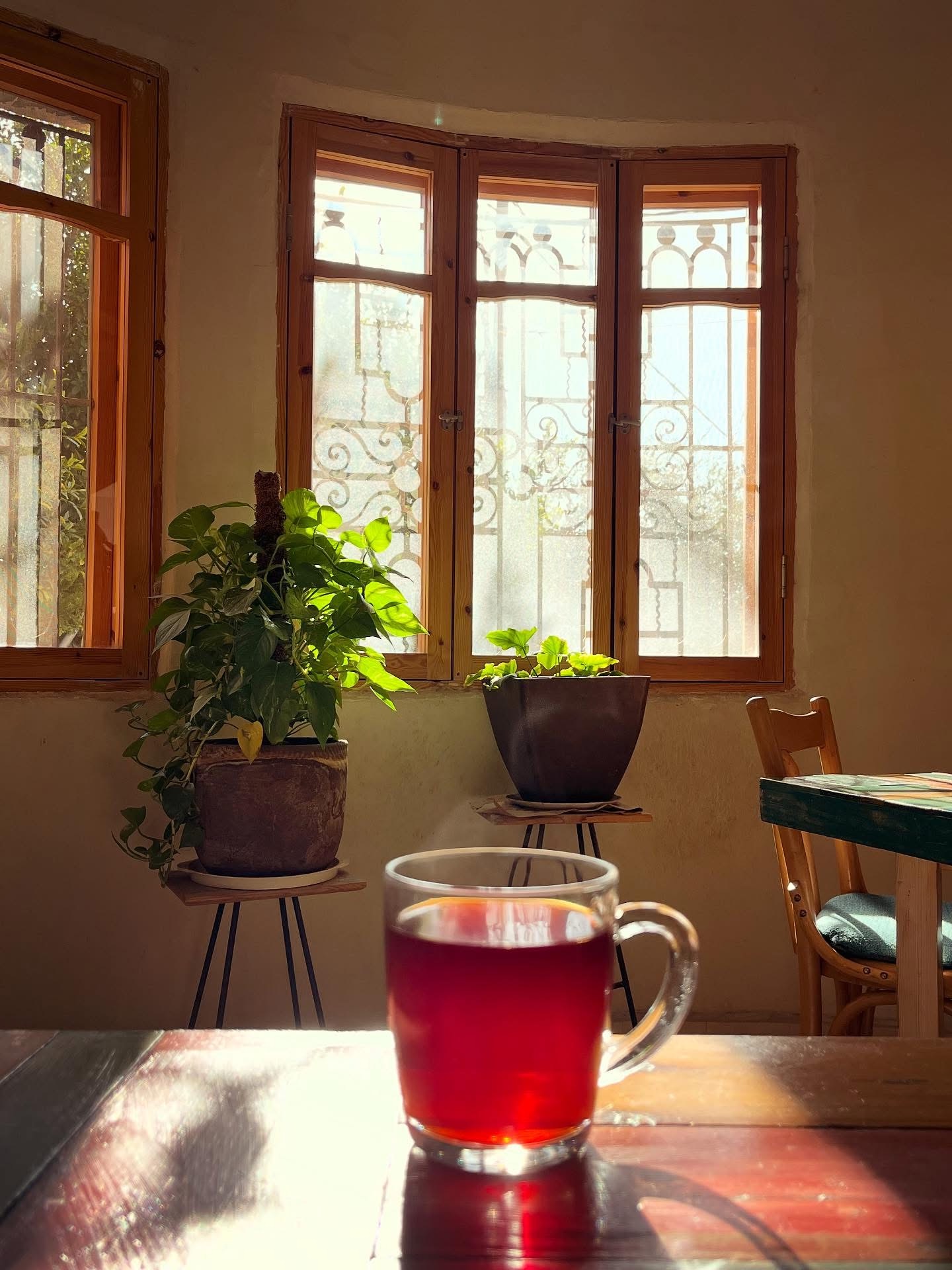
Long after I left Weibdeh that evening, what stayed with me was not one particular painting or one particular conversation. It was the feeling that somewhere in Amman, there is still a little house where people gather without rushing, where beauty is noticed before it disappears, and where strangers can still find one another.
For me, Fann wa Chai is one of those places. A reminder that some of the most meaningful landmarks in a city are not the ones advertised on postcards.
Sometimes they are the quiet places built by people who spent their lives paying attention. And somehow, through them, they teach the rest of us to do the same.
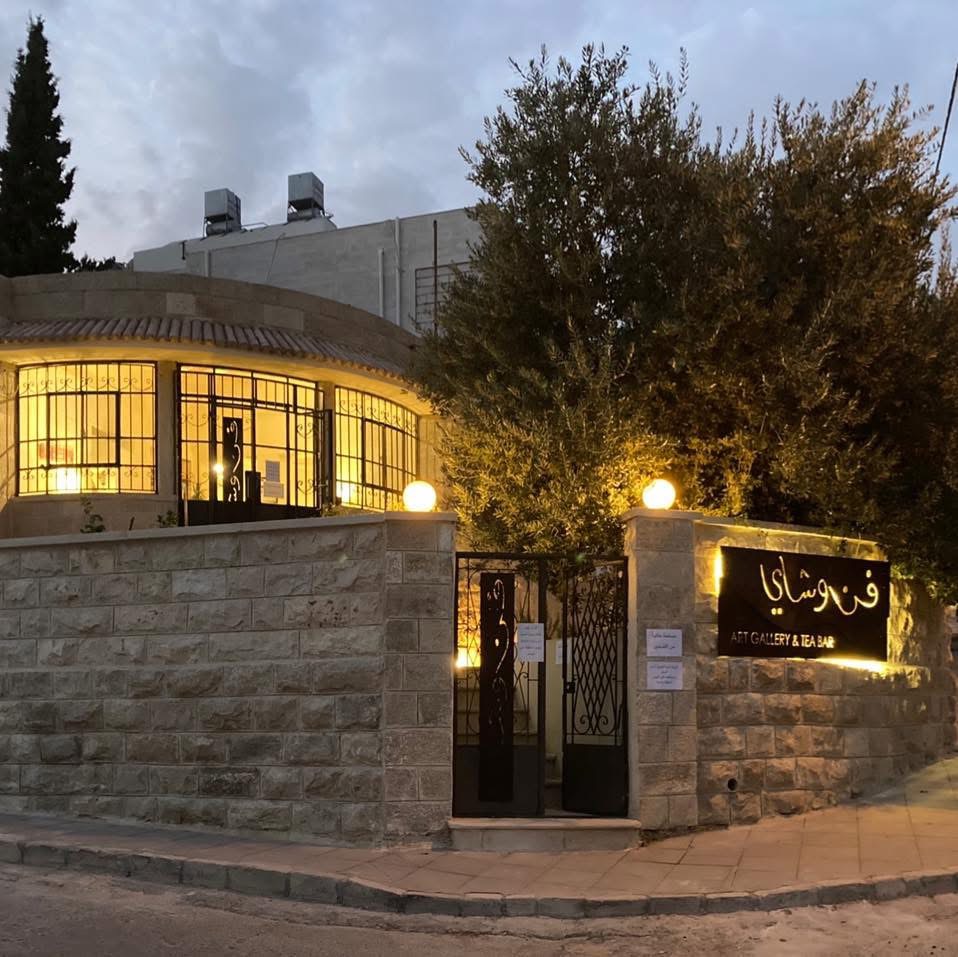
Find Fann wa Chai
Art gallery & tea bar · Jabal Al Weibdeh, Amman, Jordan
Planning a longer trip? Start with our guide to the best of Jordan.


